


When it comes to product labeling, one of the most significant challenges is ensuring that labels adhere well to various surfaces, especially oily ones. As a wrap around labels supplier, we understand the importance of this issue and have conducted extensive research to provide our customers with the best solutions. In this blog, we will explore whether wrap around labels adhere well to oily surfaces, the factors that affect adhesion, and the types of labels that work best in such conditions.
Understanding the Adhesion Challenge on Oily Surfaces
Oily surfaces present a unique challenge for label adhesion. The presence of oil creates a barrier between the label and the surface, preventing the adhesive from making proper contact and forming a strong bond. This can lead to labels peeling off, bubbling, or not adhering at all, which is not only aesthetically unappealing but also can cause significant problems for product identification and branding.
The adhesion of a label to a surface is primarily determined by the interaction between the adhesive and the surface energy of the substrate. Oily surfaces typically have a low surface energy, which means that the adhesive has difficulty spreading and wetting the surface. This lack of wetting results in a weak bond between the label and the surface, making it prone to failure.
Factors Affecting Label Adhesion on Oily Surfaces
Several factors can influence the adhesion of wrap around labels to oily surfaces. Understanding these factors can help us select the right label materials and adhesives to ensure optimal performance.
Type of Oil
The type of oil on the surface plays a crucial role in label adhesion. Different oils have different chemical compositions and surface tensions, which can affect how well the adhesive interacts with the surface. For example, silicone oils are known to be particularly challenging for label adhesion due to their low surface energy and non - polar nature. On the other hand, some vegetable oils may be less problematic, depending on their composition.
Surface Texture
The texture of the oily surface also matters. A smooth surface may allow the adhesive to spread more evenly, while a rough or porous surface can trap oil and make it even more difficult for the adhesive to form a bond. Additionally, surface irregularities can create air pockets between the label and the surface, leading to poor adhesion.
Adhesive Properties
The properties of the adhesive used on the label are perhaps the most critical factor. Adhesives can be classified into different types, such as permanent, removable, and high - tack. For oily surfaces, a high - tack adhesive is often recommended. High - tack adhesives have a strong initial grip and can penetrate the oil layer to some extent, forming a better bond with the surface. The adhesive should also be resistant to the chemical effects of the oil to prevent degradation over time.
Label Material
The material of the label itself can affect adhesion. Some materials, such as vinyl, have better flexibility and conformability, which can help them wrap around curved or irregular surfaces and maintain contact with the oily surface. Additionally, the thickness and stiffness of the label can impact how well it adheres. A thinner label may be more likely to conform to the surface and form a better bond.
Types of Wrap Around Labels Suitable for Oily Surfaces
Based on our experience and research, we offer several types of wrap around labels that are suitable for oily surfaces.
Clear Transparent Labels
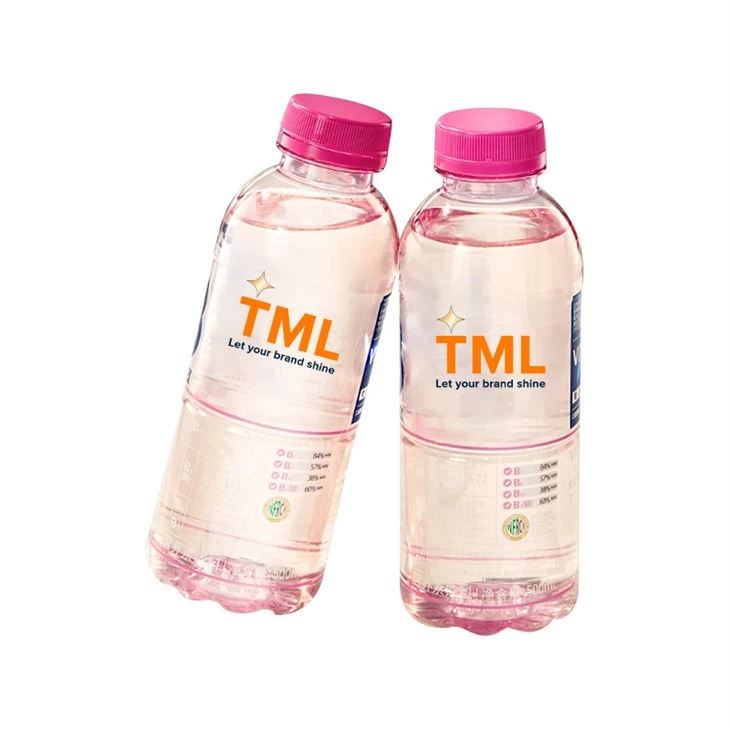
Clear Transparent Labels are a popular choice for many products. They offer a sleek and professional look, allowing the product to be visible through the label. These labels are often made with a high - quality adhesive that can provide good adhesion on oily surfaces. The transparency of the label also means that any oil on the surface is less likely to be noticeable, maintaining the overall aesthetic of the product.
Holographic Product Labels
Holographic Product Labels not only provide good adhesion on oily surfaces but also add a unique and eye - catching element to the product. The holographic effect can make the product stand out on the shelf, while the adhesive is designed to withstand the challenges posed by oily substrates. These labels are often used for high - end products where both branding and label durability are important.
White Labels for Printing
White Labels for Printing are a versatile option. They provide a clean and professional background for printing product information, logos, and barcodes. The white color can also help to conceal any minor imperfections or oil stains on the surface. When combined with the right adhesive, these labels can adhere well to oily surfaces and ensure that the printed information remains legible.
Testing and Quality Assurance
As a wrap around labels supplier, we understand the importance of quality assurance. Before recommending a label solution for oily surfaces, we conduct extensive testing. This includes applying the labels to different types of oily surfaces under various conditions, such as different temperatures and humidity levels. We also perform peel tests to measure the strength of the bond between the label and the surface over time.
By conducting these tests, we can ensure that our labels meet the highest standards of quality and performance. We also work closely with our customers to understand their specific requirements and provide customized solutions if necessary.
Best Practices for Applying Wrap Around Labels on Oily Surfaces
To achieve the best adhesion results, it is important to follow some best practices when applying wrap around labels on oily surfaces.
Surface Preparation
Before applying the label, it is advisable to clean the oily surface as much as possible. This can be done using a mild solvent or a cleaning agent that is compatible with the surface material. However, care must be taken not to damage the surface or leave behind any residue that could affect label adhesion.
Application Temperature
The temperature at which the label is applied can also affect adhesion. In general, applying the label at a slightly elevated temperature can help the adhesive flow better and form a stronger bond. However, the temperature should not be too high, as this can damage the label or the surface.
Pressure Application
Applying sufficient pressure during label application is crucial. This can be done using a roller or a similar tool to ensure that the label is in full contact with the surface and that any air bubbles are removed.
Conclusion
In conclusion, while wrap around labels can face challenges when adhering to oily surfaces, it is possible to achieve good adhesion with the right combination of label materials, adhesives, and application techniques. As a wrap around labels supplier, we are committed to providing our customers with high - quality labels that meet their specific needs, even in challenging environments.
If you are looking for wrap around labels for oily surfaces or have any questions about label adhesion, we encourage you to contact us for a consultation. Our team of experts is ready to help you select the best label solutions for your products.
References
- ASTM International. (2017). Standard Test Methods for Peel Adhesion of Pressure - Sensitive Tape. ASTM D3330/D3330M - 17.
- Pocius, A. V. (2002). Adhesion and Adhesives Technology: An Introduction. Hanser Gardner Publications.


