


Applying wrap around labels is a crucial process that can significantly enhance the presentation and functionality of your products. As a wrap around labels supplier, I've had the privilege of working with numerous clients to ensure their labels are applied correctly and effectively. In this blog post, I'll share some insights and best practices on how to apply wrap around labels successfully.
Understanding Wrap Around Labels
Before diving into the application process, it's essential to understand what wrap around labels are. Wrap around labels are designed to encircle a product, providing 360 - degree branding and information. They can be used on a variety of products, including bottles, jars, cans, and tubes. These labels come in different materials and finishes, such as White Labels for Printing, Clear Transparent Labels, and Pearlized Labels. Each type of label has its unique characteristics and application requirements.
Pre - Application Preparation
1. Product Surface Preparation
The first step in applying wrap around labels is to prepare the product surface. The surface should be clean, dry, and free of any dust, grease, or debris. A dirty surface can prevent the label from adhering properly, leading to bubbles, wrinkles, or even label detachment. You can clean the surface using a mild detergent and a clean cloth, followed by thorough drying.
2. Label Inspection
Inspect the labels before application. Check for any defects, such as tears, creases, or misprints. If you find any issues, contact your label supplier immediately. It's also important to ensure that the labels are the correct size and shape for your product.
3. Equipment Check
If you're using automated labeling equipment, make sure it's in good working condition. Check the settings, such as label dispensing speed, pressure, and alignment. Test the equipment with a few sample labels to ensure it's functioning correctly. Manual application also requires the right tools, such as a label applicator or a squeegee, to ensure smooth and even application.
Manual Application of Wrap Around Labels
1. Positioning the Label
Start by carefully peeling the label from the liner. Hold the label at one end and slowly peel it back, keeping the label flat and free of wrinkles. Align the label with the top or bottom edge of the product, depending on your design requirements. Make sure the label is centered and straight.
2. Applying the Label
Once the label is aligned, gently place the leading edge of the label on the product surface. Use a squeegee or your fingers to smooth out the label from the center towards the edges. This helps to remove any air bubbles and ensures proper adhesion. As you work your way around the product, continue to smooth the label, applying even pressure to prevent wrinkles.
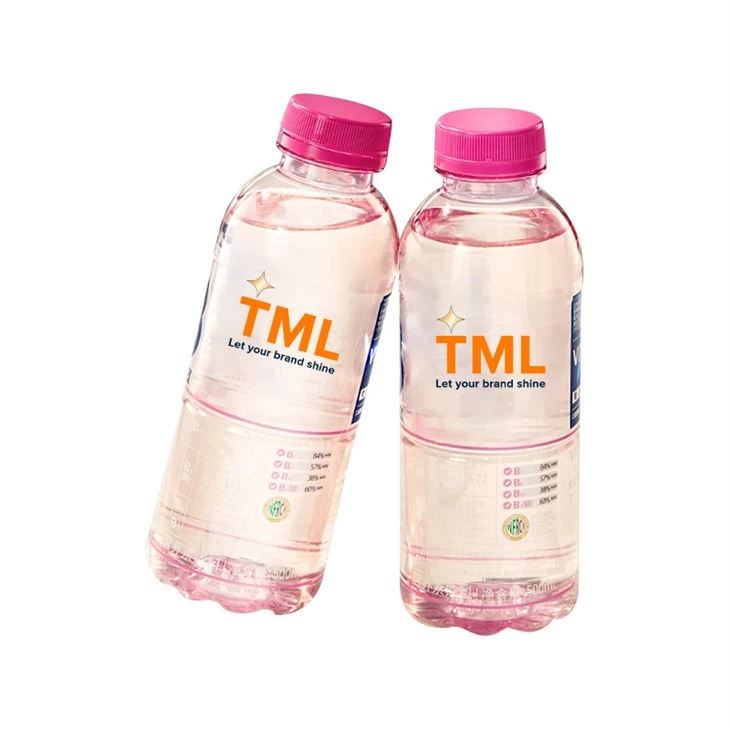
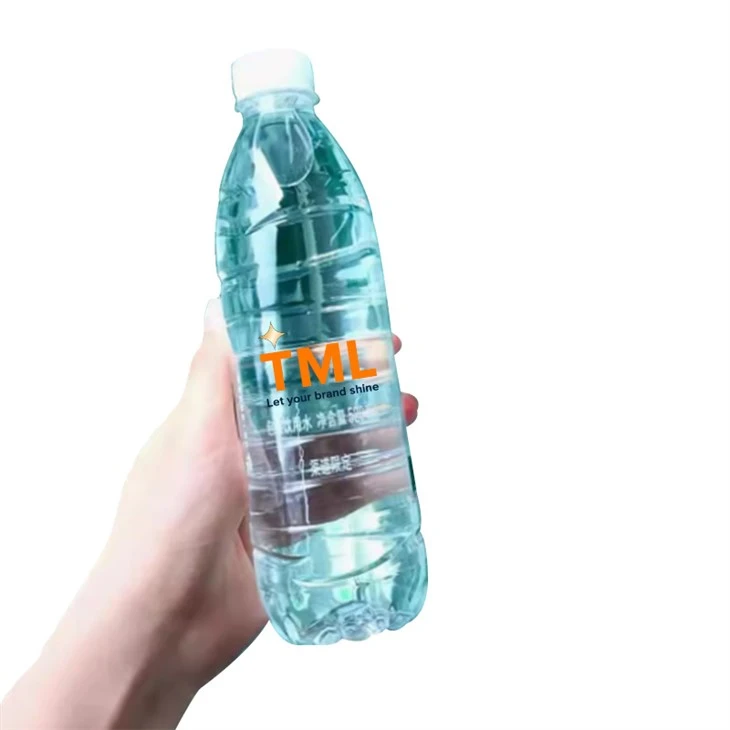
3. Finishing Touches
After the label is fully applied, go over the edges one more time to ensure they are firmly attached. If there are any remaining air bubbles, you can use a pin to prick them and then smooth the label again.
Automated Application of Wrap Around Labels
1. Loading the Labels
Load the labels onto the labeling machine according to the manufacturer's instructions. Make sure the labels are properly aligned and fed into the machine. The machine will typically have a sensor to detect the leading edge of the label and dispense it at the right time.
2. Product Feeding
Place the products on the conveyor belt or in the product holder of the labeling machine. The machine will automatically feed the products through the labeling station at a set speed. Adjust the speed according to the size and shape of your products and the type of labels.
3. Label Application
As the product moves through the labeling station, the machine will dispense the label and apply it to the product. The machine uses rollers or pressure pads to ensure proper adhesion. The labels are wrapped around the product in a continuous motion, and the machine can be adjusted to control the tension and alignment of the label.
4. Quality Control
After the labels are applied, it's important to perform quality control checks. Inspect the labeled products for any defects, such as misaligned labels, bubbles, or wrinkles. If you notice any issues, adjust the machine settings accordingly.
Troubleshooting Common Application Problems
1. Air Bubbles
Air bubbles are a common problem when applying wrap around labels. They can be caused by improper surface preparation, uneven pressure during application, or incorrect label alignment. To fix air bubbles, you can use a pin to prick them and then smooth the label again. You can also try applying the label more slowly and using a squeegee to remove air as you go.
2. Wrinkles
Wrinkles can occur if the label is not applied smoothly or if there is too much tension during application. To prevent wrinkles, make sure the label is properly aligned and apply it slowly and evenly. If wrinkles do appear, you may need to remove the label and start over.
3. Poor Adhesion
Poor adhesion can be due to a dirty product surface, incorrect label material for the product, or improper application pressure. Ensure the product surface is clean and dry, and choose the right label material for your product. If necessary, increase the pressure during application to improve adhesion.
Tips for Optimal Wrap Around Label Application
1. Temperature and Humidity
The temperature and humidity of the application environment can affect label adhesion. Ideally, the application should be done in a controlled environment with a temperature between 60 - 80°F (15 - 27°C) and a relative humidity of 40 - 60%. Extreme temperatures or high humidity can cause the label adhesive to dry too quickly or too slowly, leading to adhesion problems.
2. Label Design
The design of the label can also impact the application process. Avoid using large areas of solid color or small text, as these can make it more difficult to detect and remove air bubbles. Use a grid or alignment marks on the label to help with proper positioning.
3. Training
If you have a team responsible for label application, provide them with proper training. Training should cover topics such as product surface preparation, label handling, equipment operation, and troubleshooting. Well - trained staff can significantly improve the quality and efficiency of label application.
Conclusion
Applying wrap around labels is a detailed process that requires careful preparation and attention to detail. Whether you choose manual or automated application, following the best practices outlined above can help you achieve professional - looking results. As a wrap around labels supplier, we're committed to providing high - quality labels and supporting our clients throughout the application process. If you're interested in purchasing wrap around labels or need more information on label application, please don't hesitate to contact us for a discussion on your specific needs.
References
- Packaging Machinery Manufacturers Institute (PMMI). "Labeling Equipment Guide."
- Association of International Product Marketing and Management (AIPMM). "Best Practices in Product Labeling."
- Label Industry Association. "Label Application Techniques and Standards."


