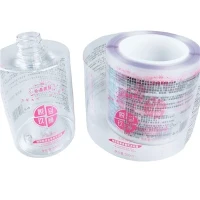

Applying adhesive PP film labels smoothly is crucial for achieving a professional and aesthetically pleasing finish on various products. As a trusted supplier of Adhesive PP Film Labels, I understand the challenges that come with the application process. In this blog post, I'll share some valuable insights and practical tips to help you apply these labels smoothly and effectively.


Understanding Adhesive PP Film Labels
Before delving into the application process, it's essential to understand what Adhesive PP Film Labels are and why they are a popular choice in the labeling industry. Polypropylene (PP) is a thermoplastic polymer known for its excellent chemical resistance, durability, and flexibility. Adhesive PP film labels are made from a thin, flexible sheet of PP film coated with a strong adhesive on one side, making them suitable for a wide range of applications, including product labeling, packaging, and branding.
One of the key advantages of Adhesive PP Film Labels is their versatility. They can adhere to various surfaces, including glass, plastic, metal, and paper, making them ideal for different industries, such as food and beverage, cosmetics, pharmaceuticals, and electronics. Additionally, PP film labels offer good printability, allowing for high-quality graphics, text, and barcodes to be printed directly onto the label, enhancing the product's visual appeal and brand identity.
Preparing the Surface
The first step in applying adhesive PP film labels smoothly is to prepare the surface where the label will be applied. A clean, dry, and smooth surface is essential for ensuring proper adhesion and a professional finish. Here are some tips for preparing the surface:
- Clean the Surface: Use a mild detergent and water solution to clean the surface thoroughly, removing any dirt, dust, grease, or other contaminants. Rinse the surface with clean water and dry it completely using a lint-free cloth.
- Remove Any Residue: If there is any existing label residue or adhesive on the surface, use a suitable adhesive remover to clean it off. Follow the manufacturer's instructions carefully when using an adhesive remover, and make sure to rinse the surface thoroughly after use.
- Sand the Surface (if necessary): For rough or uneven surfaces, you may need to sand the surface lightly to create a smooth and even surface for the label to adhere to. Use a fine-grit sandpaper and sand the surface in a circular motion until it feels smooth to the touch. Wipe the surface clean with a lint-free cloth to remove any dust or debris.
Handling the Labels
Proper handling of adhesive PP film labels is essential for preventing damage and ensuring a smooth application. Here are some tips for handling the labels:
- Store the Labels Properly: Store the labels in a cool, dry place away from direct sunlight and heat. Avoid exposing the labels to extreme temperatures or humidity, as this can affect the adhesive properties of the labels.
- Handle the Labels with Care: When handling the labels, avoid touching the adhesive side of the label with your fingers, as this can transfer oil and dirt onto the label, affecting its adhesion. Use clean, dry tools or gloves to handle the labels.
- Check the Labels for Damage: Before applying the labels, check them carefully for any damage, such as tears, scratches, or wrinkles. If you notice any damage, discard the label and use a new one.
Applying the Labels
Once the surface is prepared and the labels are handled properly, it's time to apply the labels. Here are the steps for applying adhesive PP film labels smoothly:
- Peel the Label: Carefully peel the label from the backing paper, starting from one corner. Hold the label by the edges and avoid touching the adhesive side of the label.
- Position the Label: Align the label with the desired position on the surface, using a ruler or a straight edge to ensure accuracy. Make sure to leave a small margin around the edges of the label to prevent it from overlapping or wrinkling.
- Apply the Label: Slowly lower the label onto the surface, starting from one end and working your way to the other end. Use a squeegee or a smooth, flat object to apply even pressure to the label, removing any air bubbles or wrinkles as you go.
- Smooth Out the Label: Once the label is applied, use a squeegee or a smooth, flat object to smooth out the label further, ensuring that it is firmly adhered to the surface. Pay special attention to the edges and corners of the label, as these areas are more prone to lifting or peeling.
Troubleshooting Common Issues
Even with proper preparation and application techniques, you may encounter some common issues when applying adhesive PP film labels. Here are some troubleshooting tips for dealing with these issues:
- Air Bubbles: If you notice air bubbles under the label, use a pin or a needle to pierce the bubble and then smooth out the label with a squeegee or a smooth, flat object.
- Wrinkles: If the label wrinkles during application, carefully peel the label back and reposition it, making sure to smooth out any wrinkles as you go.
- Lifting or Peeling: If the label starts to lift or peel at the edges, use a small amount of adhesive or a label sealer to secure the edges of the label to the surface.
- Poor Adhesion: If the label does not adhere properly to the surface, check the surface for any dirt, dust, grease, or other contaminants, and clean the surface thoroughly before reapplying the label. You may also need to consider using a different type of adhesive or label for the surface.
Comparing with Other Film Labels
While Adhesive PP Film Labels offer many advantages, it's also worth considering other types of adhesive film labels, such as Adhesive PET Film Labels and Adhesive PVC Film Labels. Each type of label has its own unique properties and advantages, and the choice of label will depend on your specific application requirements.
- Adhesive PET Film Labels: PET (polyethylene terephthalate) is a strong, lightweight, and transparent plastic material. Adhesive PET Film Labels offer excellent clarity, durability, and resistance to moisture, chemicals, and UV light. They are commonly used in applications where high-quality graphics and long-term durability are required, such as product labels, packaging, and automotive labels.
- Adhesive PVC Film Labels: PVC (polyvinyl chloride) is a versatile plastic material known for its flexibility, durability, and resistance to water, chemicals, and abrasion. Adhesive PVC Film Labels offer excellent adhesion to a wide range of surfaces, including curved and irregular surfaces. They are commonly used in applications where flexibility and durability are required, such as product labels, packaging, and outdoor signage.
Conclusion
Applying adhesive PP film labels smoothly requires proper preparation, handling, and application techniques. By following the tips and guidelines outlined in this blog post, you can ensure a professional and aesthetically pleasing finish on your products. As a supplier of Adhesive PP Film Labels, I am committed to providing high-quality labels and excellent customer service. If you have any questions or need further assistance with applying adhesive PP film labels, please feel free to contact me. I look forward to working with you to meet your labeling needs.
References
- Packaging Machinery Manufacturers Institute. (n.d.). Labeling Basics. Retrieved from [Website URL]
- Smith, J. (2019). The Ultimate Guide to Labeling. Packaging World.
- Wilson, A. (2020). Best Practices for Applying Adhesive Labels. Label & Narrow Web.