


Hey there! As a supplier of adhesive paper labels, I've been getting a lot of questions lately about how to make these labels more resistant to chemicals. It's a crucial aspect, especially for industries where labels are exposed to various harsh substances. So, I thought I'd share some insights on this topic.
First off, let's understand why chemical resistance matters. In industries like manufacturing, chemical processing, and food and beverage, labels are often in contact with different chemicals. These can range from mild cleaning agents to strong solvents. If the labels aren't resistant, they can get damaged, fade, or even come off completely. This not only looks bad but can also lead to important information being lost, which can be a big problem for safety and compliance.
One of the key factors in making adhesive paper labels more chemical - resistant is the choice of paper. There are different types of paper available for labels, and each has its own level of chemical resistance.
For instance, Adhesive Metallized Paper Labels are a great option. The metallized layer on these labels provides an extra barrier against chemicals. It can prevent the chemicals from seeping into the paper and causing damage. Metallized paper is also quite durable, which means it can withstand the physical stress that often comes with chemical exposure, like rubbing or scraping.
Another option is Adhesive Thermal Paper Labels. These labels are known for their high - quality printing and quick - drying properties. When it comes to chemical resistance, thermal paper can be treated to make it more resistant. Special coatings can be applied to the paper surface. These coatings act as a shield, protecting the paper from chemical attacks. However, it's important to note that not all thermal papers are created equal. Some may be more suitable for chemical - rich environments than others.

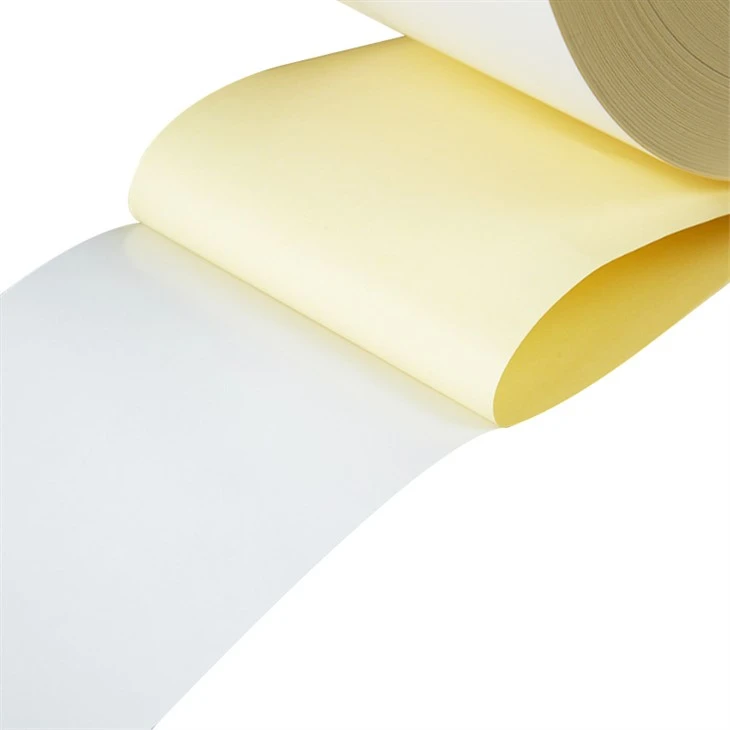
Adhesive Coated Paper Labels are also worth considering. The coating on these labels can be customized to enhance chemical resistance. There are different types of coatings available, such as acrylic, epoxy, and polyurethane. Each coating has its own set of properties. For example, acrylic coatings are known for their good weather resistance and can also offer some protection against mild chemicals. Epoxy coatings, on the other hand, are more resistant to strong solvents and can provide a higher level of chemical protection.
Now, let's talk about the adhesive. The adhesive is what holds the label to the surface, and it's also exposed to chemicals. A good chemical - resistant adhesive is essential. There are different types of adhesives, like permanent, removable, and repositionable. For chemical - rich environments, a permanent adhesive is usually the best choice. It forms a strong bond with the surface and is less likely to be affected by chemicals.
Some adhesives are formulated specifically for chemical resistance. These adhesives are designed to withstand the effects of different chemicals without losing their bonding strength. When choosing an adhesive, it's important to consider the type of chemicals the label will be exposed to. For example, if the label will be in contact with water - based chemicals, an adhesive that is resistant to water and moisture is a must.
In addition to choosing the right paper and adhesive, proper printing techniques can also improve chemical resistance. For example, using UV - cured inks can make the printed image more resistant to chemicals. UV - cured inks dry quickly and form a hard, durable surface. This surface is less likely to be damaged by chemicals compared to traditional inks.
Another important aspect is the pre - treatment of the label surface before printing. Cleaning the surface to remove any dirt, oil, or other contaminants can ensure better adhesion of the ink and the coating. This, in turn, can enhance the overall chemical resistance of the label.
Testing is also a crucial step. Before using the labels in a real - world chemical - rich environment, it's a good idea to conduct some tests. You can expose the labels to small amounts of the chemicals they will be exposed to in the actual application. This will help you determine if the labels are suitable and if any adjustments need to be made.
There are different types of tests you can perform. For example, a soak test involves immersing the label in a chemical solution for a certain period of time. After the soak, you can check for any signs of damage, such as fading, peeling, or changes in the label's physical properties. Another test is the wipe test, where you wipe the label surface with a cloth soaked in the chemical. This can simulate the normal wear and tear that the label may experience.
Once you've determined that the labels have the desired level of chemical resistance, proper storage is also important. Labels should be stored in a cool, dry place away from direct sunlight and chemicals. This will help maintain their chemical resistance over time.
In conclusion, making adhesive paper labels more resistant to chemicals involves a combination of factors. Choosing the right paper, adhesive, and printing techniques, along with proper testing and storage, can all contribute to better chemical resistance. If you're in an industry where chemical - resistant labels are a must, don't hesitate to reach out. We can work together to find the best solution for your specific needs. Whether you need Adhesive Metallized Paper Labels, Adhesive Thermal Paper Labels, or Adhesive Coated Paper Labels, we've got you covered.
If you're interested in discussing your label requirements further or want to get a quote, feel free to contact us. We're always happy to help you find the perfect adhesive paper labels with the right level of chemical resistance for your business.
References:
- Labeling Industry Handbook: A comprehensive guide on label materials, printing, and applications.
- Chemical Resistance Testing Standards: Published by industry organizations, these standards provide guidelines on how to test labels for chemical resistance.
- Research Papers on Adhesive Materials: These papers offer in - depth knowledge about the properties of different adhesives and their performance in chemical - rich environments.


