


Measuring the adhesion strength of pearlized labels is a crucial aspect of ensuring their quality and performance. As a supplier of Pearlized Labels, I understand the importance of providing labels that adhere well to various surfaces, whether it's for product packaging, promotional materials, or other applications. In this blog post, I'll share some insights on how to measure the adhesion strength of pearlized labels effectively.
Why Adhesion Strength Matters
Before delving into the measurement methods, it's essential to understand why adhesion strength is so important. A label with poor adhesion can lead to several issues, such as peeling off during handling, shipping, or storage. This not only affects the aesthetic appeal of the product but can also cause problems with brand recognition and product information. On the other hand, a label with strong adhesion ensures that it stays in place throughout the product's lifecycle, providing clear and consistent messaging to the end - user.

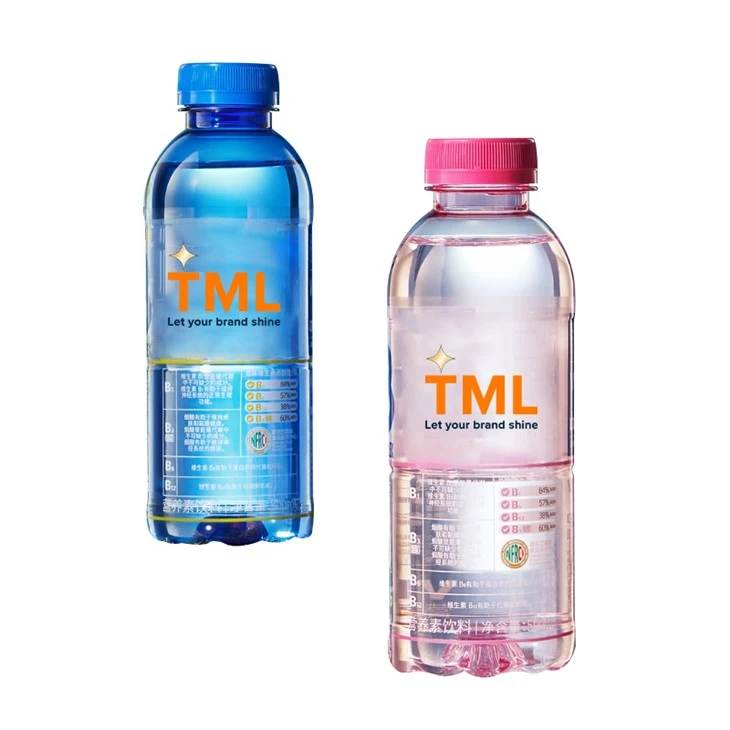
Factors Affecting Adhesion Strength
Several factors can influence the adhesion strength of pearlized labels. These include the type of adhesive used, the surface material of the substrate, the application conditions, and the environmental factors such as temperature and humidity.
- Type of Adhesive: Different adhesives have different properties and are suitable for different applications. For example, permanent adhesives are designed to provide long - term adhesion, while removable adhesives can be peeled off without leaving residue. As a Pearlized Labels supplier, we offer a variety of adhesive options to meet the diverse needs of our customers.
- Surface Material: The surface characteristics of the substrate play a significant role in adhesion. Smooth, clean surfaces generally provide better adhesion than rough or dirty surfaces. For instance, labels may adhere better to glass or plastic containers compared to porous materials like cardboard.
- Application Conditions: The way the label is applied can also affect adhesion. Proper pressure, temperature, and alignment during application are crucial for achieving optimal adhesion. If the label is not applied evenly or with enough pressure, it may not adhere properly.
- Environmental Factors: Temperature and humidity can have a significant impact on adhesion strength. High temperatures can cause the adhesive to soften and lose its grip, while low temperatures can make the adhesive brittle. Similarly, high humidity can affect the adhesive's performance, especially if the substrate is moisture - sensitive.
Measurement Methods
There are several methods available for measuring the adhesion strength of pearlized labels. Each method has its advantages and limitations, and the choice of method depends on various factors such as the type of label, the substrate, and the required level of accuracy.
Peel Test
The peel test is one of the most common methods for measuring adhesion strength. In this test, a label is applied to a substrate and then peeled off at a specific angle and speed. The force required to peel the label is measured using a force gauge.
-
Procedure:
- Prepare the substrate by cleaning it thoroughly to ensure a clean surface.
- Apply the pearlized label to the substrate using a specified pressure and application method.
- Allow the label to adhere to the substrate for a specified period, usually 24 hours, to ensure full adhesion.
- Use a force gauge to grip the edge of the label and peel it off at a 180 - degree angle at a constant speed, typically 12 inches per minute.
- Record the force required to peel the label.
-
Advantages: The peel test is relatively simple and easy to perform. It provides a direct measure of the force required to separate the label from the substrate, which is a good indicator of adhesion strength.
-
Limitations: The results of the peel test can be affected by factors such as the angle of peeling, the speed of peeling, and the surface roughness of the substrate. Additionally, the test may not accurately represent the real - world conditions in which the label will be used.
Shear Test
The shear test measures the ability of the label to resist a parallel force applied to the surface of the substrate. In this test, a label is applied to a substrate, and a weight is attached to the label. The time it takes for the label to slide off the substrate under the influence of the weight is measured.
-
Procedure:
- Prepare the substrate and apply the pearlized label as described in the peel test.
- Attach a weight to the label using a suitable fixture.
- Place the substrate with the label and weight in a horizontal position and start a timer.
- Record the time it takes for the label to slide off the substrate.
-
Advantages: The shear test provides information about the label's resistance to lateral forces, which is important in applications where the label may be subjected to sideways pressure.
-
Limitations: The shear test is more time - consuming than the peel test, and the results can be affected by factors such as the weight used, the surface area of the label, and the friction between the label and the substrate.
Pull - off Test
The pull - off test measures the force required to pull a label straight off a substrate. This test is often used for labels applied to flat surfaces.
-
Procedure:
- Apply the pearlized label to the substrate and allow it to adhere.
- Attach a pull - off fixture to the label.
- Use a force gauge to apply a vertical force to the pull - off fixture until the label is detached from the substrate.
- Record the maximum force applied.
-
Advantages: The pull - off test provides a direct measure of the force required to remove the label from the substrate in a perpendicular direction, which can be useful in some applications.
-
Limitations: Similar to the peel test, the results of the pull - off test can be affected by factors such as the surface roughness of the substrate and the alignment of the pull - off fixture.
Quality Control and Assurance
As a Pearlized Labels supplier, we implement strict quality control measures to ensure that our labels meet the required adhesion strength standards. We conduct regular adhesion tests on our labels using the methods described above to monitor the quality of our products.
- Batch Testing: We test samples from each production batch to ensure consistency in adhesion strength. This helps us identify any potential issues early in the production process and take corrective actions if necessary.
- Customer - Specific Requirements: We also work closely with our customers to understand their specific adhesion requirements. Based on their needs, we can recommend the most suitable adhesive and label design to ensure optimal adhesion.
Conclusion
Measuring the adhesion strength of pearlized labels is an important step in ensuring their quality and performance. By understanding the factors that affect adhesion strength and using appropriate measurement methods, we can provide our customers with labels that adhere well to various surfaces. As a supplier of Pearlized Labels, we are committed to providing high - quality labels that meet the diverse needs of our customers. If you are looking for Clear Transparent Labels or White Labels for Printing, we have a wide range of options to choose from.
If you have any questions about our pearlized labels or need assistance with measuring adhesion strength, please feel free to contact us. We are always happy to help you find the best labeling solutions for your products.
References
- ASTM International. (20XX). Standard Test Methods for Peel Adhesion of Pressure - Sensitive Tape.
- ISO Standards. (20XX). Adhesives - Determination of Peel Strength of Adhesive Bonds.


