


When it comes to shrink sleeves, two materials often take center stage in the packaging world: PVC (Polyvinyl Chloride) and PETG (Polyethylene Terephthalate Glycol). As a seasoned shrink sleeves supplier, I've witnessed firsthand the unique characteristics and applications of these materials. In this blog post, I'll delve into the key differences between PVC and PETG shrink sleeves to help you make an informed decision for your packaging needs.
Material Composition and Properties
PVC is a widely used plastic polymer known for its flexibility and durability. It is made from vinyl chloride monomers, which are polymerized to form a long-chain structure. PVC shrink sleeves are typically produced by extruding the PVC resin into a film, which is then printed and cut into the desired shape. One of the main advantages of PVC is its low cost, making it a popular choice for budget-conscious packaging applications.
On the other hand, PETG is a copolyester that is derived from polyethylene terephthalate (PET). It is a clear, amorphous thermoplastic that offers excellent clarity, gloss, and impact resistance. PETG shrink sleeves are produced by a similar process to PVC, but the PETG resin has a higher melting point and better chemical resistance. This makes PETG shrink sleeves more suitable for applications that require a high level of durability and resistance to harsh chemicals.
Shrinkage Characteristics
One of the most significant differences between PVC and PETG shrink sleeves is their shrinkage characteristics. PVC shrink sleeves typically have a shrinkage rate of around 50% to 60%, which means they can shrink to fit tightly around a container. This makes PVC shrink sleeves ideal for applications where a snug fit is required, such as on bottles or cans.
PETG shrink sleeves, on the other hand, have a lower shrinkage rate of around 30% to 50%. While this may seem like a disadvantage, it actually allows for more precise control over the shrinkage process. PETG shrink sleeves are often used in applications where a more gradual shrinkage is desired, such as on irregularly shaped containers or on products that require a high level of detail in the printed design.

Environmental Impact
In recent years, there has been increasing concern about the environmental impact of plastic packaging materials. PVC is known to release harmful chemicals when burned or disposed of in landfills, which has led to some restrictions on its use in certain industries. In addition, PVC is not easily recyclable, which further contributes to its environmental footprint.
PETG, on the other hand, is considered to be a more environmentally friendly option. It is recyclable and can be reused to produce new PETG products. In addition, PETG is free from harmful chemicals such as phthalates and bisphenol A (BPA), which makes it a safer choice for food and beverage packaging.
Printability and Design
Both PVC and PETG shrink sleeves offer excellent printability, allowing for high-quality graphics and designs to be printed directly onto the sleeve. However, there are some differences in the printability of these materials. PVC shrink sleeves are typically printed using a flexographic printing process, which is a cost-effective method for printing large quantities of labels. Flexographic printing offers good image quality and can be used to print a wide range of colors and designs.
PETG shrink sleeves, on the other hand, are often printed using a digital printing process, which offers greater flexibility and precision in terms of design. Digital printing allows for variable data printing, which means that each label can be printed with unique information such as barcodes, serial numbers, or expiration dates. This makes PETG shrink sleeves ideal for applications where personalized packaging is required.
Applications
The differences in the properties and characteristics of PVC and PETG shrink sleeves make them suitable for different applications. PVC shrink sleeves are commonly used in a variety of industries, including food and beverage, cosmetics, and pharmaceutical. They are particularly well-suited for applications where a tight fit and low cost are important, such as on bottles and cans. Bottle Heat Shrink Sleeves can be a perfect example of PVC shrink sleeve applications in the beverage industry, where they provide a cost-effective way to label and protect bottles.
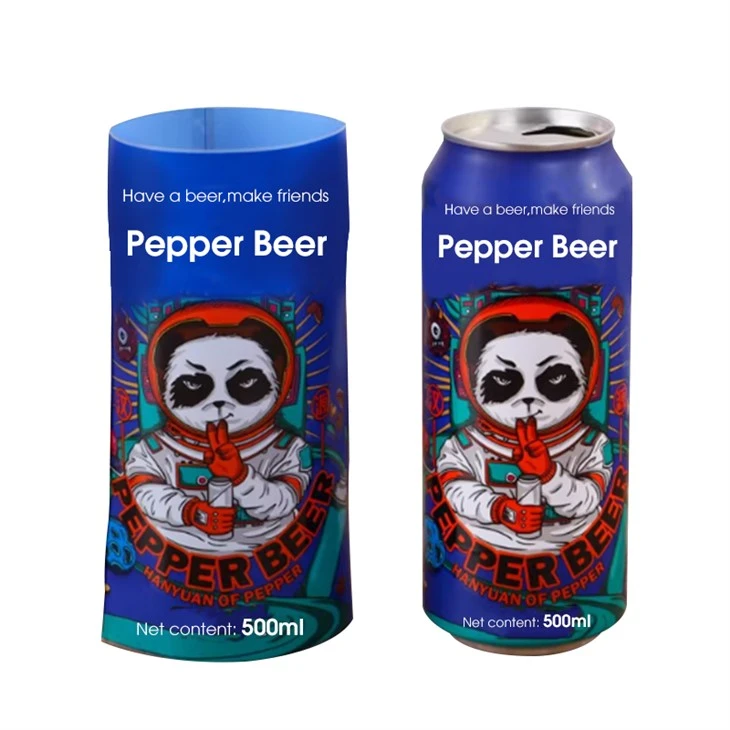
PETG shrink sleeves, on the other hand, are often used in more high-end applications, such as luxury cosmetics, premium beverages, and electronics. They are also commonly used in applications where a high level of durability and resistance to chemicals is required, such as on industrial products. Shrink Labels for Beer Cans made from PETG can offer a premium look and feel, as well as excellent protection for the cans. And for those who are looking for a classic and elegant design, Black and White Shrink Sleeve made from PETG can provide a sophisticated solution.
Conclusion
In conclusion, the choice between PVC and PETG shrink sleeves depends on a variety of factors, including your specific packaging requirements, budget, and environmental concerns. PVC shrink sleeves offer a cost-effective solution with a high shrinkage rate, making them ideal for applications where a tight fit is required. PETG shrink sleeves, on the other hand, offer a more environmentally friendly option with excellent clarity, gloss, and impact resistance, making them suitable for high-end applications.
As a trusted shrink sleeves supplier, I can help you determine the best material for your specific needs. Whether you're looking for a cost-effective solution for a large-scale production or a high-quality, environmentally friendly option for a premium product, I have the expertise and resources to provide you with the perfect shrink sleeves. If you're interested in learning more about our shrink sleeves products or have any questions about the differences between PVC and PETG shrink sleeves, please don't hesitate to contact us. We look forward to discussing your packaging needs and helping you find the best solution for your business.
References
- "Polyvinyl Chloride (PVC) - Properties, Applications and Recycling." PlasticsEurope, 2023.
- "Polyethylene Terephthalate Glycol (PETG) - A Versatile Copolyester." Society of Plastics Engineers, 2023.
- "Shrink Sleeve Labeling: A Comprehensive Guide." Packaging Digest, 2023.


