


When it comes to wrap around labels, one of the most frequently asked questions is about their maximum width. As a supplier of wrap around labels, I've encountered this query numerous times from clients across various industries. In this blog, I'll delve into the factors that determine the maximum width of wrap around labels and provide you with a comprehensive understanding of this crucial aspect.
Understanding Wrap Around Labels
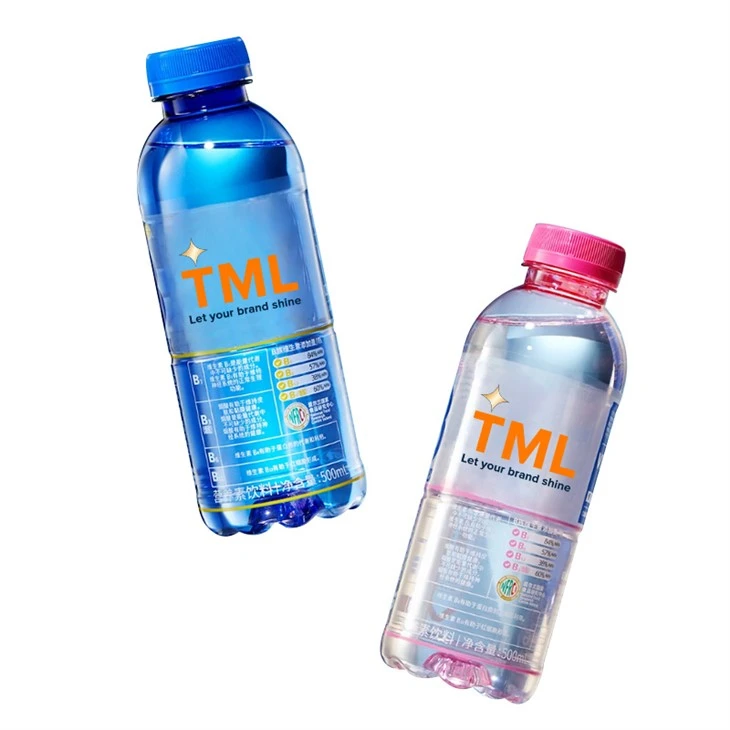
Wrap around labels are a popular choice for product packaging as they offer 360 - degree branding and information display. They are designed to encircle a container, providing a continuous surface for printing product details, branding elements, and other essential information. These labels can be used on a wide range of products, including bottles, jars, cans, and tubes.
Factors Affecting the Maximum Width of Wrap Around Labels
Printing Technology
The printing technology used plays a significant role in determining the maximum width of wrap around labels. Different printing methods have their own limitations in terms of the width they can accommodate.
- Flexographic Printing: This is a common method for printing wrap around labels. Flexographic presses can typically handle widths ranging from a few inches up to around 22 - 24 inches. The advantage of flexographic printing is its high - speed production capabilities, making it suitable for large - volume label orders. However, the maximum width is restricted by the size of the printing cylinders and the overall design of the press.
- Digital Printing: Digital printing offers more flexibility in terms of label width. Modern digital printers can handle widths up to 16 - 20 inches or even more in some cases. Digital printing is ideal for short - run and customized label orders as it doesn't require the creation of printing plates. This technology allows for quick turnaround times and variable data printing, but the maximum width may be limited by the size of the printer's print head and the media handling system.
Material Constraints
The type of material used for the wrap around labels also affects the maximum width.
- Label Stock: Different label stocks have different physical properties that can impact their ability to be printed and processed at wider widths. For example, thinner label stocks may be more prone to wrinkling or stretching at wider widths, which can affect the print quality. On the other hand, thicker stocks may require more robust printing and handling equipment.
- Adhesive: The adhesive used on the labels can also play a role. Some adhesives may not perform well at wider widths, especially if they are not formulated to handle the increased stress during the wrapping process. For instance, if the adhesive doesn't have sufficient tack or peel strength, the label may not adhere properly to the container, leading to issues such as lifting or peeling.
Equipment Limitations
The equipment used for label production, including slitting, die - cutting, and application, can impose restrictions on the maximum width of wrap around labels.
- Slitting Machines: These machines are used to cut the label material into the desired width. The maximum width that a slitting machine can handle depends on its design and specifications. Some slitting machines are designed for narrow - width labels, while others can handle wider rolls. If the slitting machine has a limited width capacity, it will directly affect the maximum width of the final labels.
- Die - Cutting Equipment: Die - cutting is the process of cutting the labels into their final shape. The size of the die - cutting press and the cutting tools can limit the width of the labels. Larger dies may be more difficult to manufacture and operate, and they may also require more powerful presses to ensure clean and accurate cuts.
- Label Applicators: The equipment used to apply the labels to the containers also has width limitations. The size of the applicator's conveyor belts, rollers, and other components determines the maximum width of the labels that can be applied. If the label is too wide for the applicator, it may not be applied evenly or may cause jams in the machine.
Typical Maximum Widths in the Industry
Based on the factors mentioned above, the typical maximum widths of wrap around labels in the industry vary depending on the specific requirements and the technology used.

- For standard flexographic printing on common label stocks, the maximum width is often around 22 inches. This width is suitable for a wide range of applications, from small - to medium - sized bottles and containers.
- Digital printing can offer a maximum width of up to 20 inches or more, depending on the printer model. This makes it a great option for custom - sized labels and small - batch production.
Our Offerings as a Supplier
As a wrap around labels supplier, we understand the diverse needs of our clients. We offer a wide range of label materials, including Clear Transparent Labels, Pearlized Labels, and White Labels for Printing. Our state - of - the - art printing facilities are equipped with both flexographic and digital printing presses, allowing us to produce labels with widths that meet most industry requirements.
We work closely with our clients to understand their specific needs and provide customized solutions. Whether you need narrow - width labels for small vials or wide - width labels for large containers, we have the expertise and equipment to deliver high - quality labels. Our team of experienced professionals ensures that every label is printed with precision and accuracy, and that the adhesive properties are optimized for the specific application.
Contact Us for Your Wrap Around Label Needs
If you're in the market for wrap around labels and have questions about the maximum width or any other aspect of label production, we're here to help. Our knowledgeable sales team can provide you with detailed information about our products and services, and can assist you in determining the best solution for your specific requirements.
Don't hesitate to reach out to us to discuss your label needs and start the process of creating the perfect wrap around labels for your products. We look forward to working with you and helping you achieve your branding and packaging goals.
References
- Label Industry Association Reports on Printing Technologies and Equipment Limitations
- Technical Documentation from Printing Press and Equipment Manufacturers
- Research on Label Materials and Their Physical Properties


